Visitors attending the Milano Cortina 2026 Winter Olympics will find the event being carried out in various cities and across the mountain ranges in Northern Italy. Hence, the transportation planning process is one of the most significant components of the visitor experience. Milano Cortina 2026 Winter Olympics are well-connected to the world via different means of transport.
In this guide, you will get an overview of transportation during Milano Cortina 2026. This Transportation Guide to the Milano Cortina 2026 Winter Olympics is best for first-time visitors and long-time international travellers who want to know the best possible option to reach Milano Cortina 2026.
Understanding the Geography of Milano Cortina 2026
Milano Cortina 2026 follows a multi-hub hosting model, with events located across:
-
Milan (Milano) – urban ice sports and opening ceremony.
-
Cortina d’Ampezzo – sliding sports, curling, women’s alpine skiing.
-
Bormio – men’s alpine skiing.
-
Anterselva/Antholz – biathlon.
-
Val di Fiemme and Val di Fassa – Nordic skiing and ski jumping.
-
Verona – closing ceremony.
Since the locations are widely spread with a distance of hundreds of kilometers, not everyone will visit all these regions. A private Milan airport transfer is the best mode of transportation for Milano Cortina 2026.
Arriving in Italy: International Gateways
Northern Italy is well connected to Some of the main international airportsSome of the main international airports, which have good connectivity with the Olympic regions.
Milan Malpensa Airport (MXP)
-
Primary international gateway.
-
Long-haul flights from Europe, Asia, the Middle East, and the Americas.
-
Direct rail connection to central Milan.
Milan Linate Airport (LIN)
-
Mainly domestic and European flights.
-
Close to Milan city center.
-
The one that is convenient for events within Milan.
Venice Marco Polo Airport (VCE)
-
Ideal entry point for Cortina d’Ampezzo and the Dolomites.
-
Strong international and European connectivity.
Verona Villafranca Airport (VRN)
-
Useful for alpine venues and closing ceremony travel.
-
Smaller but efficient airport.
From all airports, travelers can continue their journey by train, bus, or car.
Rail Travel: The Backbone of Olympic Transportation
The rail network in Italy is good. The most common method of transportation is expected to be trains, but they will be crowded during the Milano Olympic Games.
Trains
Train services connect:
-
Milan ↔ Verona
-
Milan ↔ Venice
-
Milan ↔ Bologna (useful for southern connections)
Regional Trains
Regional trains link major cities with mountain gateways such as:
-
Trento
-
Bolzano
-
Belluno
From these stations, travelers continue by bus or car into alpine valleys. Regional trains are slower.
Private Chauffeured Cars
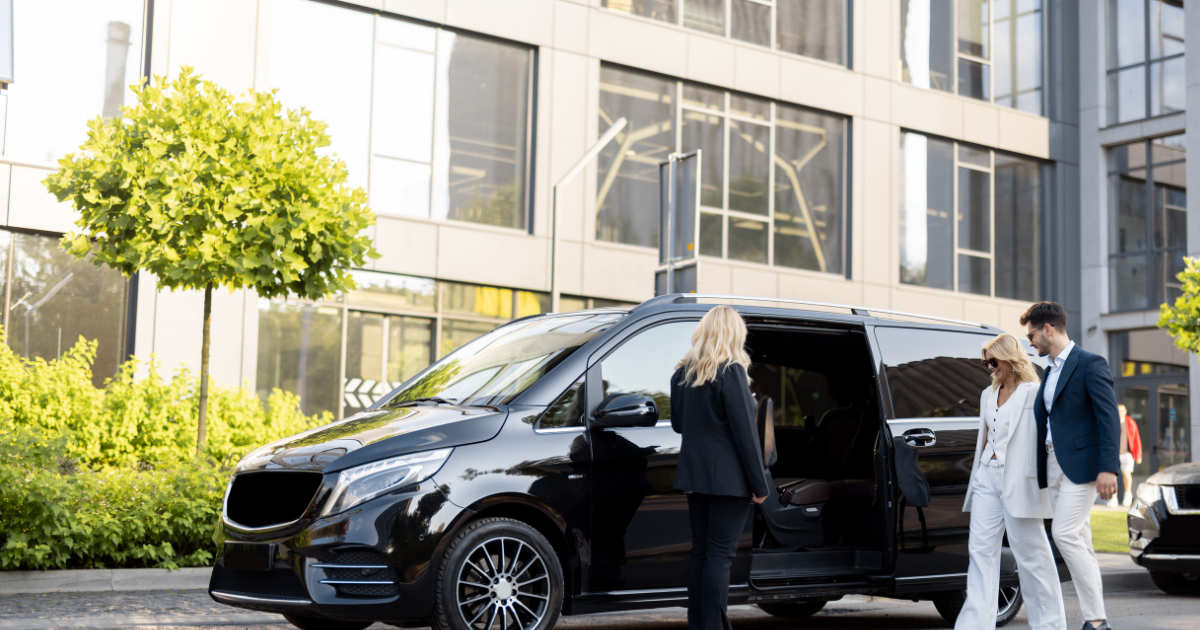
In the Milano Cortina 2026 Winter Olympics, private chauffeur car services are a convenient and more flexible option than self-driving, especially among the visitors who will be traveling between the cities and mountain facilities via automobile. This travel option is the most appropriate for those passengers who prefer door-to-door transportation, less logistical burden, and expert management of snowy roads.
Why Choose a Chauffeured Car?
Private chauffeur services require flexibility and a local skill set. The professional drivers know the alpine routes, the weather-based issues and the management of traffic based on the event time, hence you do not have to worry about directions and can concentrate on the Games.
Key advantages include:
-
Point-to-point venue, hotel, and airport transfers.
-
Skilled chauffeurs who are used to winter and mountain driving.
-
No need to control parking limits around venues.
-
More comfort in long-distance or multiple-stage itineraries.
Highways and Main Routes
The fact that Northern Italy has a good and extensive highway system, which is well maintained, supports the use of personal chauffeured cars to drive between Olympic regions. Major routes link:
-
Milan and Verona.
-
Verona and the Dolomites.
-
Lombardy and South Tyrol.
The highways are normally in good condition, and congestion is likely to be experienced during the busy Olympic days. Chauffeurs usually plot the routes and departure times earlier so as to avoid delays.
Mountain Access and Alpine Roads
Accessibility of resorts like Cortina d'Ampezzo, Bormio and the alpine valleys is through mountain roads, which can be influenced by snow, ice, and quickly changing weather patterns.
With chauffeured services:
-
Vehicles are equipped with appropriate winter tires and snow chains when required.
-
Drivers monitor road and weather conditions in real time.
-
Alternative routes can be used if conditions change.
This significantly reduces the challenges associated with winter driving in alpine regions.
Parking and Venue Access
During the Milano Cortina 2026 Winter Olympics, the areas near the competition are likely to be limited or restricted. Chauffeured services are usually available with:
-
Pick-up and drop-off at predetermined entry points.
-
Coordination with formal traffic and security areas.
-
Waiting for services or scheduled return transfers.
Such an arrangement is beneficial to prevent parking searches and time limitations.
Swiss Airport Connections
Besides the airports in Italy, other major Swiss airports can be used as convenient entry points for travelers in cases of events in northern and Alpine areas, through the use of air travel in private chauffeured vehicles.
Common Swiss gateways include:
-
Zurich Airport (ZRH)
-
Geneva Airport (GVA)
-
Basel EuroAirport (BSL)
From Switzerland, private Zurich to Milan transfers can link you directly to Milan, Verona, South Tyrol, and some Alpine locations, which provide a different entry way with high levels of service and easy cross-border transportation.
Ideal Travelers for Chauffeured Services
In particular, private chauffeured cars are best for:
-
International visitors who have no idea of driving within the country.
-
Smaller group/families traveling.
-
Travelers attending events across multiple regions.
-
Visitors who want comfort, efficiency, and time management.
Olympic Shuttle Services
Specialized Olympics shuttle services will carry out operations between:
-
Train stations and venues.
-
Park-and-ride areas and competition sites.
-
Formal accommodation areas and locations.
These services are designed to reduce private car use and ease congestion near venues. In many cases, shuttle access may be included with event tickets or travel passes.
Public Transport Within Cities
Milan
Milan boasts one of the most complete urban transport systems in Italy that provides for:
-
Metro lines
-
Trams
-
Buses
During the Milano Olympics events, public transport will be increased, and special services will be provided in the area of competition venues and fan zones.
Verona
The public transport of Verona has buses serving Verona city center, the railway station, and the Arena di Verona.
Transportation in Alpine Regions
Buses
The main mode of transport that is used in mountain areas is the bus. Bus schedules are supposed to correspond to the schedules of the Olympics.
Cable Cars and Lifts
Cable cars and ski lifts can also be utilised to enable spectators to access some areas in the Alps, especially where the location of the venue is on a slope or elevated area.
Accessibility and Inclusive Transport
The Milano Cortina 2026 transportation planning will involve accessibility:
-
Free access to major train stations.
-
Seat reservation in trains and buses.
-
Available shuttle buses.
-
Well-marked signs and personnel.
Tickets, Passes, and Travel Cards
Visitors may be able to use:
-
Combined Olympic transportation tickets.
-
Regional travel cards.
-
Public transport tickets that are city-specific.
These passes are able to save money and ease the movement in more than one form of transport.
Managing Travel During Peak Periods
The most active traveling periods will be:
-
During popular sporting events.
-
During weekends.
-
Approximately at the opening and closing ceremonies.
To manage congestion:
-
Travel early in the day.
-
Unnecessary inter-region travel should be avoided.
-
Keep in mind the selected locations.
Sustainability and Transport Planning
Transportation is a key part of the Games’ sustainability strategy. Visitors are encouraged to:
-
Use trains instead of cars.
-
Use shuttles instead of taxis.
-
Select a place to stay near transport stations.
This approaThis method has the benefit of decreasing the effect on the environment and increasing efficiency.ch reduces environmental impact and improves overall efficiency.
Practical Transportation Tips
-
Give additional traveling time, particularly during the winter season.
-
Disburses weather conditions every day during journeys to mountain areas.
-
Carry electronic and physical copies of tickets and traveling permits.
-
Adhere to official transportation updates of the Olympics.
-
Prepare adequately cold outdoor waiting places.
Final Thoughts
The transportation for the Milano Cortina 2026 Winter Olympics is based on the diversity and magnitude of the host areas. Whereas the distance between the venues should be planned, the good private transfer network within Italy, and the experience of hosting huge international events make traveling efficient and easy.
By choosing the right arrival airport, focusing on one or two venue clusters, and using public transport wherever possible, visitors can move smoothly between competitions and enjoy not only the Games themselves, but also the landscapes, towns, and cultural richness of Northern Italy.
- Professional Service
- Always on Time
- Always on Time
| Street address | |||
| City | |||
| State | Zip code | ||
| Country | |||
| Street address | |||
| City | |||
| State | Zip code | ||
| Country | |||
| Street address | |||
| City | |||
| State | Zip code | ||
| Country | |||
Recent Posts
- Smooth And Timely Airports Transfers To Zurich’s Finest Hotels
- 3 Days in Geneva: The Perfect Itinerary for Tourists
- Romantic Wedding Anniversary: Celebrating Love at Geneva’s Best Restaurants
- Maximising Efficiency: Business Travel Insights for Zurich
- Your Zurich Winter Festival Taxi Transfer
- Zurich Airport to Lucerne Private Transfers
- VIP Travel in Geneva: How to Make a Grand Entrance with a Limousine Service
- 10 Family-Friendly Places And Things To Do In Zurich
- Discover the Top 15 Major Attractions in Basel
- 3 Great Reasons to Book an Airport Transfer by Zurich Taxi Transfer
- Top-10 Must-visit Museums in Madrid, Spain
- A Travel Guide To Germany - Quick Facts To Know About Germany
- Best Places To Stay In Zurich - Neighborhood And Surrounding Areas
- An Ultimate Guide to Europe's Top and Busiest Airports By Noble Transfer
- Friedrichshafen, Germany Travel Guide - Top Attractions and Hotels To Stay